

20 MARCH 2026- YVONNE T. BUZWANE
Zimbabwe has officially named Erythrina abyssinica as the Tree of the Year for 2026, a recognition that highlights both the country’s rich natural heritage and the growing importance of indigenous species in climate resilience and sustainable livelihoods.
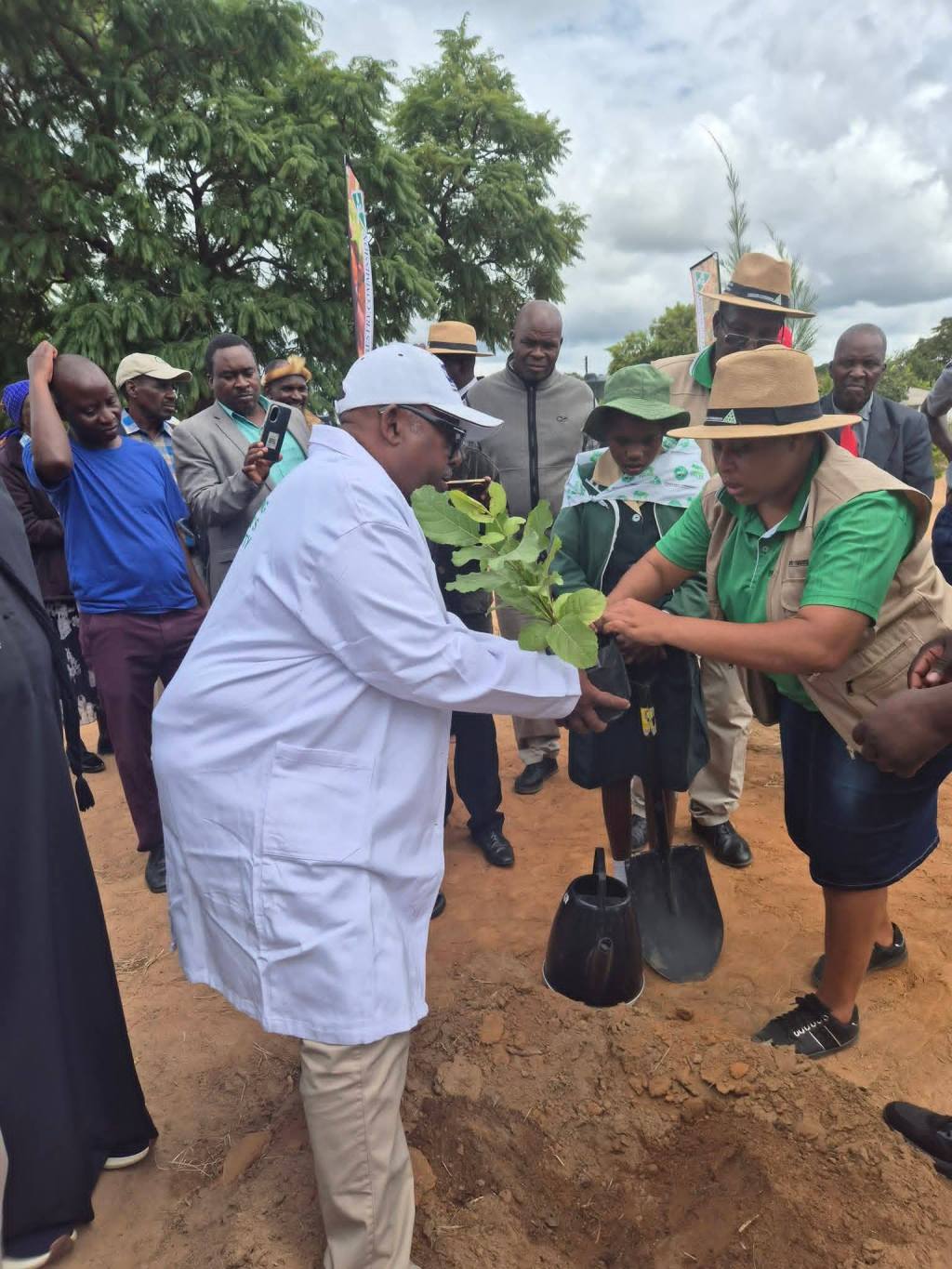
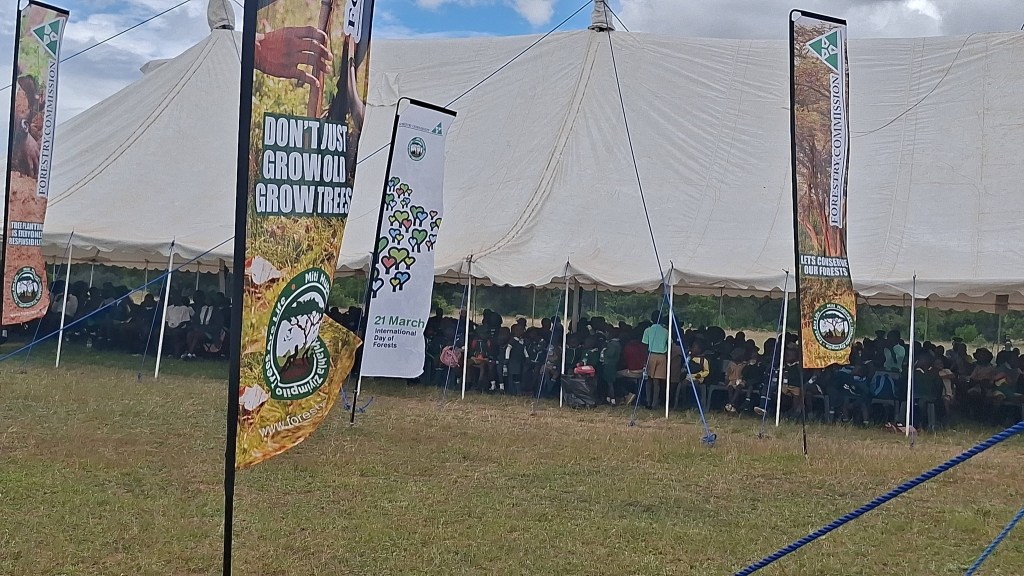
The announcement was made during the International Day of Forests commemorations, on behalf of the Minister of Environment, Climate and Wildlife, Honourable Dr Evelyn Ndlovu, by Permanent Secretary Ambassador Tadeous T Chifamba.
Commonly known as the Red-hot-poker or Lucky-bean tree, Erythrina abyssinica is widely found across the country and is locally referred to as Nlidza Dumba in Kalanga, Mutiti, Munhimbiti, Mutete, or Mutsiti in Shona, and Umgqogqogqo in Ndebele.
Beyond its striking red blossoms, the tree carries deep ecological, economic, and cultural significance. It serves as a valuable source of protein-rich fodder for livestock and plays an important role in supporting beekeeping activities. Communities also use the tree to produce crafts, tools, and natural dyes, contributing to local livelihoods.
In addition, Erythrina abyssinica holds a respected place in traditional medicine, forming part of indigenous knowledge systems that have supported community health for generations.
From an environmental perspective, the tree is a powerful ally in conservation efforts. It improves soil fertility, supports the restoration of degraded land, and thrives in dry conditions, making it particularly suitable for regions affected by climate variability. Its resilience and drought tolerance position it as a key species in climate change adaptation strategies.
The selection of Erythrina abyssinica as Tree of the Year carries strong symbolic value. It represents resilience, renewal, and the importance of rooting development in indigenous knowledge and natural resources. It also reflects a shift towards promoting species that not only survive in changing climates but actively support ecosystems and livelihoods.
Communities, schools, farmers, and institutions are being encouraged to propagate the tree in preparation for the 2026/2027 planting season. At the same time, there is a call for responsible management practices to prevent overharvesting and ensure the long-term sustainability of the species.
The Tree of the Year initiative serves as both recognition and a call to action, urging Zimbabweans to actively participate in planting, protecting, and promoting indigenous trees.
As the country faces increasing climate challenges, the choice of Erythrina abyssinica sends a clear message: the future lies in embracing resilient, locally adapted solutions that connect environmental conservation with community well-being.


 radiobukalanga.org
Leave a comment