
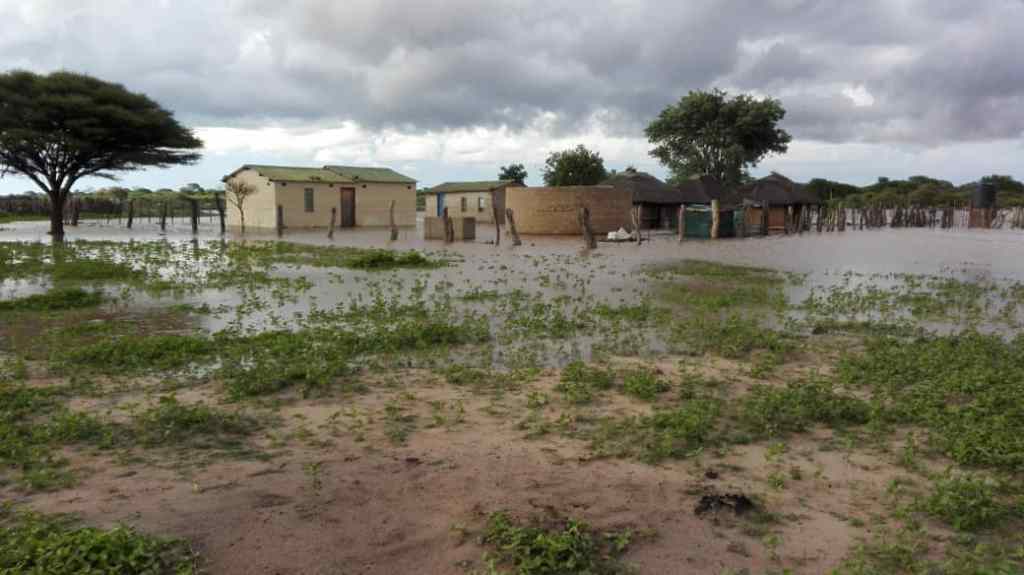
Heavy rains brought relief to many parts of the country during the week ending January 17, 2025, but for residents of Huwana and Jutjume in Bulilima district, the downpour came with challenges. Flooding forced villagers to flee their homes and seek shelter in neighboring houses. Unfortunately, this is not an isolated incident, as a similar disaster occurred in 2016 during Tropical Cyclone Dineo, when the nearby Manzamnyama River back flowed.
The recent flooding has highlighted the risks of settling on floodplains, and local authorities have been urging affected families to relocate for some time. However, these efforts have been met with resistance due to socio-cultural issues. Many villagers have lived in the area for generations and view relocation as a threat to their way of life.
Despite the dangers, villagers remain adamant about staying in the area, a decision that local authorities strongly advise against. The Disaster Risk Reduction team has been engaging with villagers through an inclusive approach, but the failure of this method may lead the District Development Coordinator to issue a directive for villagers to relocate. However, history suggests that such a directive may be ineffective, as seen in a similar case in the neighboring Tsholotsho district.
The key takeaway from this story is that local authorities have a long way to go in raising awareness about the importance of relocating from flood-prone areas, especially in the face of increasing extreme weather events like violent rains and recurrent floods, which are a stark reminder of the realities of climate change. Meanwhile, communities must come together to adopt modern practices that align with the changing times and abandon those practices that put them in harm’s way.

 radiobukalanga.org
Leave a comment